
If your boiler pilot light keeps going out, it’s important not to keep relighting it over and over without identifying the underlying cause. Older gas boilers often develop faults that affect the pilot flame, gas supply, ventilation, or flue system. These problems can range from simple issues like a blocked ventilation grille to more serious concerns such as a faulty thermocouple or a gas leak. Ignoring these signs or repeatedly attempting to relight the pilot without addressing the root cause can lead to inefficient heating, higher energy bills, or even safety risks.
Some faults, especially those involving the gas supply or flue, need prompt attention from a qualified Gas Safe engineer to ensure your boiler operates safely and reliably.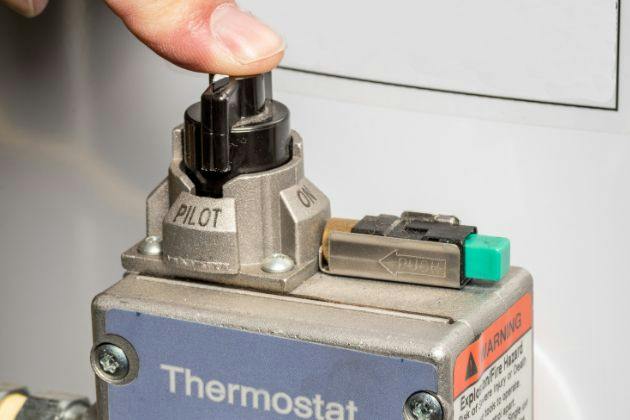
What the pilot light does
A pilot light is a small, continuous gas flame inside an older boiler. It ignites the main burner when your heating or hot water is needed, while a safety component called a thermocouple confirms that the flame is present.
If the pilot flame goes out, the thermocouple should shut off the gas supply to help prevent unburnt gas from building up. Boilers with permanent pilot lights are generally older conventional or system boilers, although some older water heaters and other gas appliances use a similar arrangement. Many modern boilers do not have a pilot light and instead use electronic ignition.
Safe checks before calling an engineer
There are a few simple checks you can make without removing the boiler casing or touching internal components. First, check that your gas supply is available. If you have a gas cooker or fire, see whether it is working normally, but do not operate any appliance if you smell gas.
Check whether other gas appliances are working, if it is safe to do so.
Make sure external air vents are not covered, blocked or obstructed by plants, storage or debris.
Check the boiler’s visible controls for obvious power or timer issues.
Only attempt to relight the pilot by following the manufacturer’s instructions exactly.
Do not remove the boiler casing, adjust gas controls or try to clean the pilot assembly yourself. If the pilot goes out again after following the approved relighting procedure, leave the appliance switched off and arrange a boiler repair inspection.
Safety first: If you smell gas, suspect a flue or combustion problem, hear unusual combustion noises, or the pilot will not stay lit, stop using the boiler and contact a Gas Safe registered engineer. Do not keep attempting to relight it. If you smell gas, avoid flames and electrical switches, open doors and windows if safe, and follow the emergency gas guidance for your area.
Common causes of a pilot light going out
A faulty thermocouple is one of the more common engineer-diagnosed causes. If it no longer detects the pilot flame correctly, it can shut off the gas even when the flame appears to be burning. Testing and replacing this safety component should be carried out by a qualified engineer.
A dirty pilot jet can also produce a weak or unstable flame. Dust, debris or combustion deposits may prevent the flame from heating the thermocouple properly. Cleaning or servicing the pilot assembly is not a suitable DIY task because it involves gas and combustion components.
Draughts can disturb the pilot flame, particularly where the boiler is near a door, window or poorly sealed opening. Other possible causes include a problem with the gas regulator, inconsistent gas pressure, or a flue and combustion fault. These issues need professional checks to confirm that the boiler is operating safely and that combustion gases are being removed correctly.
What we check during a call-out
During a boiler repair visit, an engineer will ask when the problem occurs and whether it affects heating, hot water or both. They can inspect the pilot flame, thermocouple, burner and relevant controls, while checking gas pressure and the appliance’s operation against manufacturer requirements.
The engineer may also assess ventilation, the flue installation and combustion readings. This helps distinguish a straightforward component fault from a wider safety issue. If a repair is appropriate, you should receive a clear explanation of the work required before it goes ahead.
Repair or boiler replacement?
An isolated pilot light fault on an otherwise well-maintained boiler may be suitable for repair. However, repeated breakdowns, obsolete parts, poor efficiency, corrosion or ongoing flue concerns can make continued repairs less practical over time.
Ask an engineer to consider the boiler’s age, condition, repair history and safety rather than focusing only on the immediate fault. If replacement is the sensible option, you can explore new boiler installation options and choose a suitable modern system for your home.
Book help with a persistent pilot fault
A pilot light that keeps going out should not be ignored or repeatedly reset. The Sussex Heating Care Company can investigate the cause, carry out appropriate boiler repairs and advise whether your appliance remains suitable for continued use.
Book a boiler repair or call The Sussex Heating Care Company on 01243 820474. If your boiler has no pilot light and is showing a fault code, read our guide to modern boiler fault codes for more relevant advice.