
A professional heat pump service involves far more than just clearing leaves or debris from the outdoor unit. A qualified engineer conducts a thorough inspection to assess how well the system is performing, measuring critical factors like flow temperatures, defrost cycles, and temperature differentials (delta-T). They also carry out essential safety checks on electrical components to prevent potential hazards. Beyond these, the engineer examines condensate drainage to avoid water damage and reviews control settings to ensure the system is optimised for your home’s needs.
Importantly, they identify early warning signs of issues—such as short cycling, unusual defrost frequency, or reduced heat output—that, if left unchecked, could increase your energy bills or cause costly breakdowns down the line. This detailed attention helps maintain efficiency, prolongs the life of your heat pump, and provides peace of mind.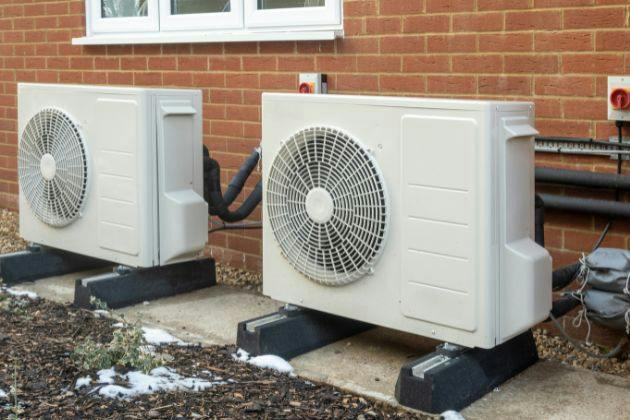
What happens during a heat pump service?
The visit normally begins with a review of the system’s operation and your experience as a homeowner. The engineer may ask about room temperatures, hot water performance, unusual noises, error messages and any changes in running costs.
They will then assess the heat pump while it is operating. This gives a clearer picture of real-world performance than a visual inspection alone and can reveal issues that are not yet triggering a fault code.
Flow and return temperatures, including the system’s delta-T, or temperature difference
Defrost cycles and how often the outdoor unit needs to clear ice
Heat output, operating pressures and signs of short cycling
Airflow, coil condition and the cleanliness of filters and grilles
Performance and temperature checks
Flow temperature is the temperature of the water leaving the heat pump, while return temperature is measured as water comes back from the heating system. The difference between them, known as delta-T, helps an engineer assess whether heat is being transferred effectively through the radiators or underfloor heating.
Defrosting is a normal part of air source heat pump operation in cold or damp weather. However, unusually frequent defrost cycles, poor recovery or low output may point to restricted airflow, a sensor fault, incorrect settings or another problem requiring further investigation.
Cleaning, airflow and drainage
Air source heat pumps need a clear flow of air across the outdoor coil. During a service, the engineer checks for dirt, leaves, dust and other debris that could reduce efficiency, as well as examining the fan and coil for damage.
Condensate and defrost water must also drain away freely. A blocked or poorly positioned drain can allow water to pool, freeze around the unit or create damp problems near the property. The engineer will inspect the drainage route and check that it is suitable for normal operation in colder conditions.
Coastal homes in West Sussex may need extra attention because salt spray can accelerate corrosion when it settles on outdoor equipment. Keeping the unit clear of sea air deposits, vegetation and debris supports good airflow and helps protect the casing and coil.
Electrical safety and system controls
Electrical checks are an important part of professional heat pump servicing. An appropriately qualified engineer can inspect connections, isolators, protective devices, wiring condition and signs of overheating, rather than relying on the system appearing to run normally.
The engineer may also review the controls, weather compensation, heating curves, hot water temperatures, schedules and any immersion heater settings. Poorly adjusted controls can make a working system feel inefficient, so settings should be checked against the home, the occupants’ needs and the design of the installation.
Where relevant, the engineer will inspect refrigeration-side components and confirm that the installation is operating within expected parameters. These checks should not be attempted by homeowners, as they require specialist training, equipment and an understanding of safety and refrigerant regulations.
Spotting early signs of trouble
A good service is also an opportunity to investigate changes before they become expensive faults. Short cycling, where the heat pump starts and stops repeatedly, can increase wear and may be linked to control settings, restricted circulation or an incorrectly sized system.
Low heat output, unusually frequent defrosting, new rattling sounds and rising electricity use should all be recorded and discussed. For more guidance on unusual sounds, read the related heat pump noise advice.
DIY checks and engineer checks
What homeowners can do
Homeowners can safely keep leaves, grass and other obstructions away from the outdoor unit, check that airflow spaces have not been blocked and look for obvious damage or standing water. You can also note error codes, unusual sounds, temperature changes and when the problem occurs.
What needs an engineer
Electrical safety testing, refrigeration-side inspection, commissioning adjustments and detailed performance measurements should be left to a qualified heat pump engineer. Avoid removing covers, touching wiring or attempting to clean delicate coils with pressure, as this could cause damage or create a safety risk.
Answers to common servicing questions
Bills higher than expected
Higher bills may result from colder weather, increased hot water use, blocked airflow, incorrect controls or reduced system performance. A service can compare operating temperatures and settings with the system’s expected behaviour.
Outdoor unit icing up
A light coating of frost can be normal, and the unit should periodically defrost itself. Heavy or persistent ice, especially when accompanied by low output, may indicate poor drainage, restricted airflow, a sensor issue or a fault that needs attention.
Annual servicing
Annual servicing is a sensible routine for many homeowners, particularly before winter or where the system is heavily used. The recommended interval can depend on the manufacturer, installation and age of the equipment, so check the service guidance and warranty conditions.
Arrange ongoing heat pump care
Regular professional servicing helps maintain safe operation, efficient performance and confidence in your heating system. For servicing or ongoing care, contact The Sussex Heating Care Company on 01243820474, or visit the heat pump installers service page to find out how the team can help.