A frozen boiler condensate pipe can bring your heating and hot water to a sudden stop. The good news is that, if the pipe is accessible and the cause is clear, you may be able to thaw it safely without specialist equipment. This guide explains what to look for, what to do next and when professional boiler repair is the safer option.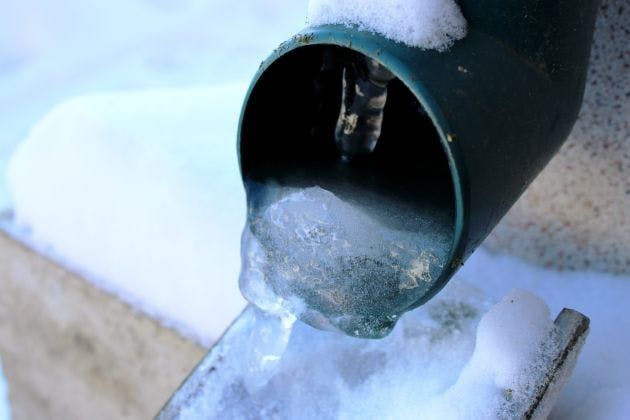
What the condensate pipe does
A modern condensing boiler produces acidic waste water as it operates. This water flows through a condensate pipe, usually made from plastic, and drains away to an internal waste connection or an external drain.
When part of the pipe is exposed to low temperatures, the water can freeze and create a blockage. The boiler detects that the condensate cannot drain correctly, then locks out as a safety measure. Freezing is most likely along an external run, at exposed elbows or where the pipe passes through an outside wall.
Signs the pipe may be frozen
A boiler that has stopped working does not always have a frozen condensate pipe as its cause, so check the symptoms carefully. A gurgling, bubbling or trickling sound from the boiler can indicate that condensate is struggling to drain.
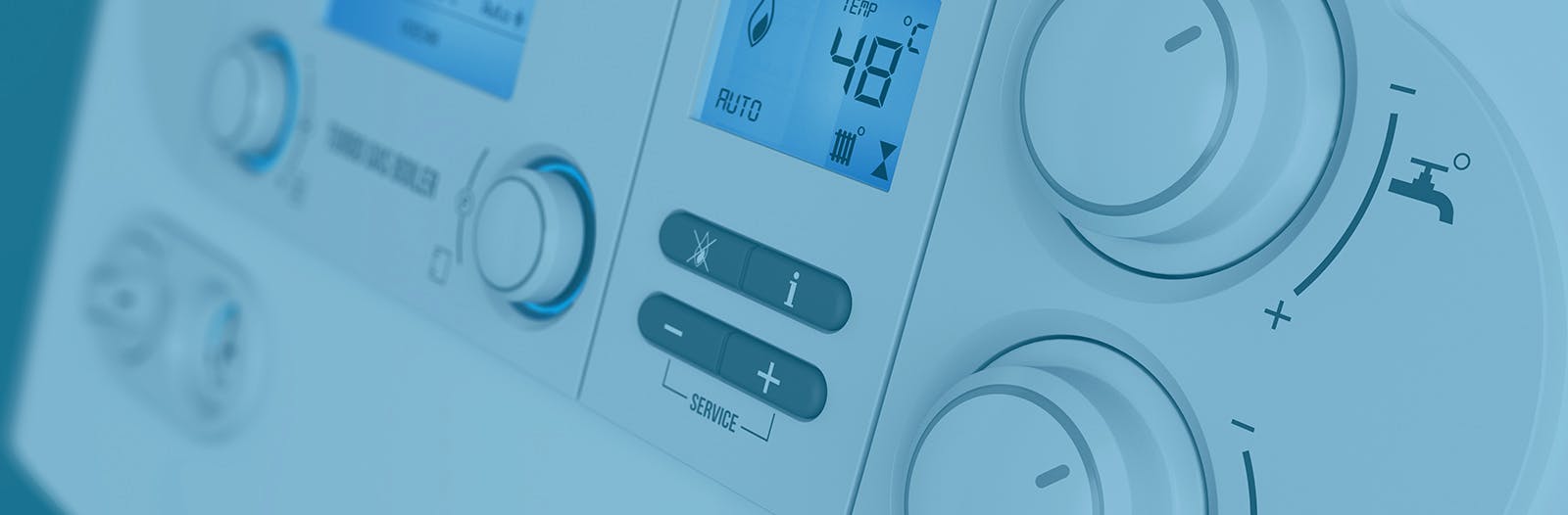
You may also see a fault code on the display, or the boiler may show a general lockout message. If the problem appeared after the pipework was exposed to freezing conditions, and the external condensate pipe is visibly iced up, a blockage is a likely explanation.
Gurgling noises from the boiler or nearby pipework
A condensate-related fault code or boiler lockout
An iced-up external pipe, especially at an elbow or dip
Heating and hot water stopping at the same time
Safe steps to thaw the condensate pipe
Check the area first
Only attempt this if you can reach the pipe safely from ground level and without working near live electrical equipment. Do not climb onto roofs, lean out of windows or remove boiler covers. If you smell gas, leave the property and contact the National Gas Emergency Service on 0800 111 999.
Apply gentle, steady heat
Use a warm water bottle, a heat pad or cloths soaked in warm water around the frozen section. Start near the boiler and work towards the outlet, paying close attention to exposed elbows and sections that slope downwards. Re-warm the bottle or cloths as needed until the blockage clears.
Never pour boiling water directly onto a plastic condensate pipe. The sudden temperature change can damage or split the pipe, creating a leak. Naked flames, blowtorches and high-heat devices such as paint strippers are also unsafe and must not be used.
Check for drainage and reset once
As the ice melts, listen for water draining and check for leaks or cracked pipework. Once the pipe appears clear, follow the reset instructions in your boiler manual and reset the appliance once only.
If the boiler starts normally, allow it to run and monitor the condensate pipe. Do not repeatedly press the reset button. A boiler that locks out again may have a continuing blockage, a damaged pipe or a separate fault that needs proper diagnosis.
Protecting the pipe after thawing
Once the boiler is operating, inspect the external condensate run if it is safe to do so. It should be securely supported, have a suitable fall towards the drain and avoid dips where water can collect and freeze.
Purpose-made, weather-resistant pipe insulation can reduce the chance of another freeze. Insulation must be suitable for external use and fitted securely around the pipe, including vulnerable bends and joints. Do not block the pipe outlet or cover a drain in a way that prevents condensate from flowing away.
Long-term solutions for repeated freezing
If the condensate pipe freezes repeatedly, insulation alone may not solve the underlying problem. A heating engineer can assess whether the pipe can be rerouted internally, where it is protected from external temperatures, before connecting to a suitable waste outlet.
Where an external route is unavoidable, increasing the pipe diameter may be appropriate in line with the boiler manufacturer’s instructions and current installation requirements. A larger, correctly supported pipe can reduce the risk of freezing, but it is not a universal solution and should be designed by a qualified professional.
In some installations, a condensate pump can move waste water to a suitable drain when gravity drainage is difficult. This may help with awkward boiler positions or longer internal routes, although the pump must be correctly specified, installed and maintained.
When to call a heating engineer
Arrange professional help if the pipe refreezes after thawing, you cannot access it without climbing or reaching into an unsafe area, or the boiler continues to lock out. Repeated resets can mask a fault and may leave you without reliable heating or hot water.
You should also call an engineer if you find a split pipe, water leaking near electrical equipment, persistent fault codes or signs that the condensate is not draining correctly. A qualified technician can repair the immediate problem and recommend a compliant long-term alteration.