
When your boiler suddenly stops working and a fault code begins flashing on the display, it’s natural to feel worried or unsure about what to do next. However, in many cases, performing a few straightforward checks can help you identify the problem and decide if you need to call a professional immediately or if it’s something you can safely manage yourself.
These quick steps often save time and money by avoiding unnecessary emergency call-outs and help you understand your boiler’s condition better.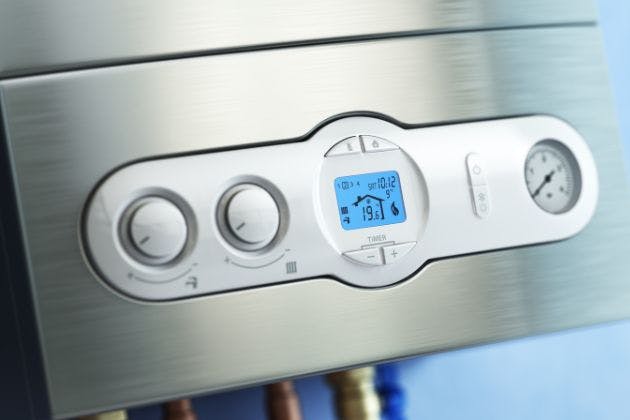
What boiler fault codes are and how they help
Modern boilers monitor themselves constantly. When something is not right, the boiler will lock out and show a fault code to prevent damage or unsafe operation. The code is a clue, not a full diagnosis.
Each manufacturer uses its own codes, and even different models can behave slightly differently. That is why the user manual or the manufacturer website is always your best source for the exact meaning of a specific code.
Rather than guessing at the exact definition, it is helpful to think of fault codes in groups, such as ignition issues, pressure problems or sensor faults. From there, you can follow a calm, step by step process.
Safe first checks before you call for help
Before you touch anything, check the basics. If you ever smell gas, see scorch marks, or feel unsure, stop straight away and contact a Gas Safe registered engineer. Safety always comes first.
For many common fault codes, these simple checks are both safe and useful:
Power cycle once: Turn the boiler off at the fused spur, wait 30 seconds, then turn it back on. Do this only once, not repeatedly.
Check controls: Make sure the programmer is on, the thermostat is turned up, and the heating/hot water schedules are correct.
Look at the pressure gauge: On most domestic systems, cold pressure is usually around 1.0 to 1.5 bar. If it is very low or very high, do not keep resetting.
Check the gas supply: If you have a gas hob or fire, see if they light and stay on normally.
Inspect the condensate pipe: In cold weather, an outdoor condensate pipe can freeze and cause a lockout. You can read a full frozen condensate guide here: frozen condensate guide.
Reset button: Only press the reset button once after your checks. If the same code returns, do not keep resetting the boiler.
These actions will not fix every problem, but they help separate a minor blip from a fault that really needs an engineer.
Common fault code situations and next steps
Although codes differ by brand, many point to similar symptoms. Use the table below as a simple decision guide. Always cross-check with your own manual if you can.
Symptom / display Possible cause What you can safely do When to call an engineer Boiler shows a fault code and will not start, but has power General lockout after a hiccup in supply or controls Check programmer and thermostat, power cycle once, press reset once If the code returns or changes after reset Fault code with low pressure warning light or symbol System water pressure has dropped below the safe range Check the pressure gauge. If you know how and feel confident, follow your manual to top up slowly If pressure keeps dropping, or you are unsure how to top up Fault code after you run hot water or heating starts Ignition or flame detection problem Check gas supply at another appliance, power cycle once, check flue and boiler are unobstructed visually If other gas appliances are fine or you smell gas at any point Fault code in freezing weather, gurgling and outside pipe dripping or iced up Frozen or blocked condensate pipe Inspect the plastic pipe that leads outside. If it looks frozen, follow a safe thawing guide such as our frozen condensate guide If it refreezes often, or you are not comfortable defrosting the pipe Fault code appears randomly, boiler cuts out, then works again Intermittent sensor or electrical control issue Note down the code, time and what the boiler was doing. Try a single reset If the behaviour repeats or gets worse, or different codes appear
How to use your boiler manual with fault codes
Your boiler manual is not just for installation; it usually has a section that lists common codes with basic guidance. Having that to hand when a code appears can save you a lot of guesswork.
If you cannot find the paper copy, search online for the manufacturer and model number with the word "manual". Always make sure you are looking at the correct model, as similar names can have different instructions.
When in doubt, follow the most cautious instruction. If the manual tells you to contact an engineer for a particular code, do not try to work around it or repeatedly reset the boiler.
Things you should not do with boiler fault codes
It can be tempting to experiment when you want the heating back on, but some actions are not safe for homeowners. Respecting the limits of safe user checks protects both you and your boiler.
Avoid the following:
Removing the boiler cover or any sealed panels
Adjusting gas valves or tampering with flues
Repeatedly topping up pressure without finding the cause of the loss
Resetting the boiler over and over to clear the same code
Anything involving gas components, internal electrical parts or flue work must be left to a Gas Safe registered engineer.
Information to have ready when you call an engineer
If your checks point to a genuine fault, good information helps the engineer diagnose the problem more quickly. A short pause to gather details can save time, money and frustration.
Before you pick up the phone, make a note of:
Boiler make and model: This is usually printed on the front of the boiler or inside the flap where the controls are. There may also be a data label on the side or underneath.
Exact fault code: Write down the letters and numbers on the display, including any flashing lights or symbols. If the code changes, note the order.
What the boiler was doing: Were you running a bath, using the heating, or had the boiler just come on via the timer? Mention any noises, smells or leaks.
Recent work or changes: Let the engineer know if you have recently bled radiators, topped up pressure, had new plumbing work done, or moved thermostats or controls.
This information helps the engineer arrive with the right parts, plan the job properly and get your heating back on sooner.
How servicing reduces fault codes in the first place
Many fault codes are the boiler protecting itself after a problem has built up over time, such as dirty components, poor combustion or circulation issues. Regular servicing helps pick these up before they trigger a lockout.
An annual boiler service by a Gas Safe registered engineer includes checks, cleaning and performance tests that can reduce nuisance breakdowns. It also keeps your manufacturer warranty valid in many cases.
Think of servicing as a small, planned cost that helps you avoid larger, stressful repairs later on, especially during the colder months when your boiler works hardest.
Next steps and getting expert help
If your boiler is still showing a fault code after the simple checks above, it is time for a professional diagnosis. You can arrange a prompt, Gas Safe registered boiler repair with The Sussex Heating Care Company by calling 01243820474 or visiting our boiler repair page.
To cut down on future fault codes and keep your heating running smoothly, book a regular boiler service with our team. We will keep things safe, efficient and as trouble-free as possible, so you can stop worrying about fault codes and get back to a warm, comfortable home.