
If you’re new to an air source heat pump, it’s normal to notice every whirr, buzz, or click. These sounds can feel unfamiliar at first, but the good news is that most are completely normal. Modern heat pumps are designed to run quietly and efficiently, blending into the background so you barely notice them. With the right installation, regular maintenance, and proper care, your heat pump will provide reliable warmth without causing noise disruption in your home.
Understanding which sounds are typical and when to seek advice can help you feel confident and comfortable with your new system.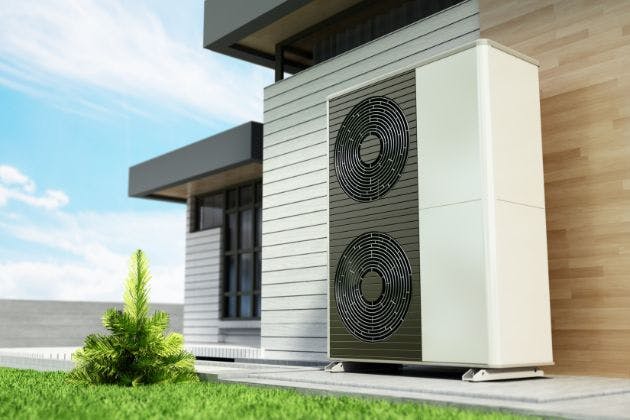
Typical sounds from a heat pump
Heat pumps work by moving heat rather than creating it, so there are moving parts that will make some sound. Knowing what is normal can spare you a lot of worry and help you spot genuine issues early.
You will usually notice a gentle hum from the outdoor unit when it is running. Indoors, you may hear soft water movement through the pipework and emitters, especially when the system first starts.
Fan hum: A steady, low whirring as the outdoor fan moves air through the unit.
Compressor ramping up: A brief rise in sound as the system starts or increases output, then settles.
Defrost cycle: Occasional change in tone and a small release of steam in cold, damp weather.
Gentle water flow: A soft rushing or trickling in pipes or radiators, especially after start-up.
These sounds should be consistent and not harsh. Most homeowners in Bognor Regis, Chichester and Littlehampton find that after a week or two they tune them out, much like a fridge in the kitchen.
Noise that needs attention
There are some noises that you should not ignore. They do not automatically mean a major fault, but they are a sign that a professional should take a look to protect both comfort and efficiency.
Watch out for grinding or scraping from the outdoor unit, which can indicate a worn bearing or something caught in the fan. Rattling or clattering may simply be a loose panel, bracket or debris, but if left unchecked it can cause damage over time.
Persistent, sharp buzzing from the unit or associated electrics is also a concern. Likewise, if the heat pump is constantly starting and stopping in quick bursts, known as short cycling, you may hear it clicking or revving repeatedly. Short cycling can reduce lifespan and should be investigated.
Unusually loud vibration that you can feel through walls or floors is another warning sign. Often this relates to mounting or pipework issues that can be resolved with proper supports and vibration control.
Simple checks you can do safely
Before calling an engineer, there are a few quick, non-invasive checks you can carry out without opening the unit or touching electrical parts. These can often reduce unnecessary noise and help you describe the issue clearly to your installer.
First, make sure the outdoor unit has clear space around it. Clear leaves, rubbish, garden tools and anything else resting against the case or grille. Items leaning on the unit can create extra rattling or whistling in the wind.
Next, look for any obvious loose panels or pipe covers that may be vibrating. If a panel is visibly loose and clearly secured with simple screws, you may be able to gently tighten them, but avoid forcing anything. If you are unsure, leave it and note the location for your engineer.
It also helps to pay attention to when the noise happens. Is it only on windy days, only during very cold or damp weather, or only at particular times of day? Jotting down a simple log of time, weather and sound type gives your installer valuable clues.
How siting and acoustics affect heat pump noise
A well sited and well mounted heat pump is much more likely to run quietly. When designed and installed correctly, most modern systems should meet permitted development noise guidance where that applies, without intruding on everyday life.
Outdoor units can be installed on the ground or on wall brackets. Ground mounting with a solid, level base and good quality anti vibration feet often reduces transmitted noise into the building. Wall brackets should be well fixed, with vibration control pads, to minimise any resonance through brickwork.
Distance to bedroom and living room windows matters too. Even a small increase in distance helps sound fade. Where space allows, siting the unit away from bedrooms and choosing a spot with natural screening, like a side passage, can make a real difference.
Nearby surfaces also change what you hear. Hard, reflective surfaces such as solid fences, bare brick walls and courtyards can bounce sound back, making it seem louder. Thoughtful positioning, acoustic fencing or soft landscaping can help break up reflections and keep noise levels comfortable.
Understanding defrost and weather effects
Air source heat pumps behave a little differently in cold or damp weather. When frost builds up on the outdoor coil, the system will occasionally reverse briefly to defrost itself. During this cycle, you may hear a change in tone, a short pause, and see some steam rising.
This is expected and should not last long. You might also notice the unit sounds slightly different on windy days, as air is pushed through the fan and casing. As long as the sound is not harsh or metallic and the system returns to its normal hum, it is usually nothing to worry about.
How regular maintenance keeps things quiet
Like any heating system, a heat pump benefits from regular professional care. Routine maintenance helps keep sound levels low, efficiency high and components working smoothly.
During a service, an engineer can check fan blades, fixings and covers, inspect anti vibration mounts, and look for early signs of wear in the compressor or pumps. They can also check refrigerant levels, system pressures and flow rates so the unit is not working harder, and louder, than it needs to.
Indoors, maintenance includes checking filters, flushing or balancing circuits where needed, and ensuring pumps and valves are operating quietly. Preventing sludge build up and air in the system helps reduce gurgling, ticking and other nuisance noises from pipework and emitters.
Book a routine service annually or as recommended by your installer.
Keep the outdoor area tidy and clear through the year.
Report new or changing noises early rather than waiting.
Need reassurance about your heat pump noise?
If you are in Bognor Regis, Chichester, Littlehampton or nearby and are unsure whether a sound is normal, a professional check can give you peace of mind. The team at The Sussex Heating Care Company is trained and verified to assess heat pump performance and advise on the best solutions after a site survey.
We can carry out a heat pump health check, review siting and mounting, and complete any maintenance needed to keep your system running quietly and efficiently. To arrange a visit, call The Sussex Heating Care Company on 01243820474 or book online via our Heat Pump Installers service page.