
If some rooms in your home are far too hot while others never seem to warm up properly, radiator balancing could make a big difference. This process helps even out the heat across all your radiators, so every room reaches a comfortable temperature without wasting energy. With a bit of patience and the right approach, you can often improve your home’s comfort and reduce heating bills by ensuring your boiler’s heat is used efficiently. Just remember to follow safety guidelines and know when to call a professional to avoid any risks.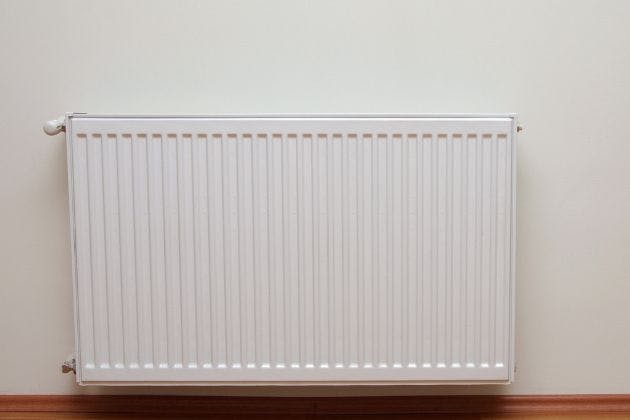
What radiator balancing actually does
Balancing is all about sharing hot water fairly between your radiators. Instead of the first few radiators taking most of the heat, the flow is slowed slightly at those points so more warmth reaches the rest of the system.
Done properly, balancing can help your whole home warm up more evenly, cut warm-up times, and reduce the strain on your boiler. It is not a cure for every heating issue, but it is one of the simplest ways to improve how your system behaves.
Common signs your radiators need balancing
If your system is badly out of balance, it will usually show itself in everyday use. Pay attention to how long rooms take to warm and which radiators feel hottest.
Bedrooms or upstairs rooms stay cool while downstairs gets very hot
Some radiators heat up quickly; others lag behind by 20–30 minutes
Noisy pipework, gurgling or rushing water once the heating comes on
Boiler running for a long time to reach temperature, even on milder days
These can also be caused by faults, sludge or air in the system. If you are ever unsure or the boiler is showing an error, it is safer to stop and call a Gas Safe engineer.
Safety checks before you touch any valves
Before you start adjusting radiators, you need to know the system is basically healthy. A quick visual check can save a lot of time and risk.
First, look at your boiler. If there are fault codes, warning lights or unusual noises, do not try to balance the system. Turn the heating off and arrange a boiler service with a Gas Safe engineer.
Next, check the pressure gauge on your boiler or near the system. Most sealed systems sit around 1 to 1.5 bar when cold. If it is repeatedly dropping or far outside the green zone, stop and call a professional. Repeated pressure loss is a clear sign of a leak or fault.
Finally, look for obvious leaks, green or brown staining around valves, or heavily corroded pipework. If you see water, staining or badly rusted fittings, you should not attempt balancing until the leak has been repaired.
Step-by-step guide to basic radiator balancing
Radiator valves can get very hot, so use heatproof gloves or a thick cloth, and work slowly. If at any point a valve feels seized or will not move without force, stop and call a heating engineer.
1. Prepare your system
Turn your heating off and let the system cool. Bleed any radiators that have obvious air at the top using a bleed key and a cloth, then top up the boiler pressure if needed, following the manufacturer’s instructions.
Set your room thermostat to a normal level, usually around 19–21°C. Then fully open all your thermostatic radiator valves (TRVs) by turning them to the highest number, and turn the heating back on.
2. Identify and open the lockshield valves
The lockshield valve is usually at the opposite end of the radiator from the TRV or on/off wheelhead. It often has a plain cap or needs a small adjustable spanner.
Carefully remove the plastic cap if there is one. Note the starting position by gently turning the valve clockwise until it just closes, counting the number of turns or half-turns. Then re-open it to where it was so you have a reference.
3. Start with the radiator closest to the boiler
In most systems, the radiators closest to the boiler heat up first. These usually need to be partially closed on the lockshield to slow the flow.
With the heating running, wait 10–15 minutes, then feel the pipes at each end of the first radiator. Carefully close the lockshield a little at a time, perhaps a quarter-turn, and allow a few minutes after each adjustment for the temperature to settle.
4. Use temperature drop as a simple guide
For a practical home method, you are aiming for each radiator to have a similar temperature drop between the inlet and outlet pipes. This does not need to be exact, but consistency across radiators is the goal.
You can do this by touch if you are confident, or with a simple clip-on thermometer or infrared thermometer if you have one. As you move around the house, adjust each lockshield in small steps so cooler rooms get more flow and very hot rooms get slightly less.
Make small adjustments only, quarter-turns at a time
After each adjustment, wait 5–10 minutes before judging the effect
Write down how many turns open each lockshield is for future reference
Do not chase perfect numbers. Focus on getting all rooms to warm at a similar speed and feel roughly equally comfortable once up to temperature.
5. Record your settings
Once you are happy with the balance, go back around and note the final position of each lockshield valve. A simple list like “Living room: 1.5 turns open” is enough.
This record is very helpful if anyone accidentally alters a valve, or if an engineer needs to check your system while carrying out central heating services later on.
When to stop and call a Gas Safe engineer
There are clear points where it is safer to leave things alone and get professional help. Continuing to experiment can do more harm than good.
Stop and call a Gas Safe engineer if you notice any of the following:
Boiler fault codes, lockouts or repeated resets
Radiator valves that are seized, leaking or spinning without effect
Pressure that keeps dropping after you have topped it up correctly
You are unsure whether your system is sealed, open-vented, or a combination
In these situations, adjusting valves will not fix the root cause. Safe diagnosis by a qualified engineer is the best route.
Extra notes for West Sussex coastal homes
Homes along the West Sussex coast often have a mix of old and new pipework, especially where extensions and loft conversions have been added over the years. It is common to see a blend of radiator sizes and different valve types on the same system.
If you find that balancing helps at first, but the effect fades, sludge in the system may be restricting flow to certain radiators. Cold spots at the bottom of radiators, black water when you bleed them, or repeated balancing problems all point towards sludge build-up.
In these cases, a professional clean such as power flushing can often restore proper circulation so that balancing actually holds. An engineer can advise whether this is suitable for your pipework and boiler.
Need expert help with radiator balancing?
If you would like a professional eye on your uneven heating or you have hit any of the safety “stop” points, it is time to bring in an expert. A trained engineer can check boiler performance, valve condition and system cleanliness before carrying out accurate balancing.
The Sussex Heating Care Company provides diagnostic checks, radiator balancing, boiler service and full central heating services across the local area. To book a visit or get some friendly advice, call The Sussex Heating Care Company on 01243820474.