
If your boiler pressure keeps dropping or your heating suddenly stops working, you’re not alone—these are common issues many homeowners face. Knowing how to check your boiler pressure and safely repressurise it can often restore your heating quickly, saving you time and hassle. However, it’s important to recognise when to stop and call a Gas Safe engineer, especially if the pressure keeps falling or you’re unsure about any step. Taking the right precautions ensures your boiler runs efficiently and safely, keeping your home warm without risking damage or costly repairs.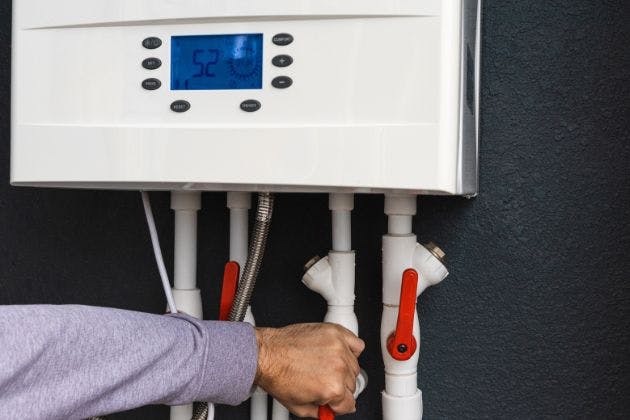
What boiler pressure is and why it matters
Boiler pressure is the measure of the water pressure within your sealed heating system, shown in bar on the pressure gauge. It helps your boiler push hot water around your radiators and pipework efficiently.
If the pressure is too low, your boiler may lock out or struggle to heat your home. If it is too high, parts of the system can be stressed, which can lead to leaks and safety valves discharging water.
How to check your boiler pressure
Most modern combi and system boilers have a pressure gauge on the front of the boiler, either a physical dial or a digital display. Some older systems have the gauge on nearby pipework instead.
Typical guidance (always check your manual) is:
Cold system: Around 1.0 to 1.5 bar when the heating is off and the system is cool
Running system: Often rising to around 2.0 bar, sometimes a little more, when the heating is on
Too low: Usually below 1.0 bar may cause problems for many boilers
Too high: Close to or above 3.0 bar is generally unsafe and may trigger the pressure relief valve
If the gauge has coloured sections, aim to keep the pressure within the green zone, and never close to the red high-pressure area.
Before you repressurise your boiler
Always read your boiler manual first, as different makes can vary slightly. If anything looks different to the steps below, or you are unsure, stop and speak to a Gas Safe registered engineer.
Allow the system to cool so you are checking the cold pressure. Make sure you can clearly see the gauge, and that you know where your filling loop is located before you start.
Step-by-step guide to repressurising with a filling loop
Most sealed systems in UK homes use a filling loop connected to the cold mains supply. The process is usually similar, but always follow your appliance instructions where available.
1. Locate the filling loop
The filling loop is typically a silver, flexible braided hose with one or two small taps or levers attached. It may be under the boiler, within the boiler casing, or on nearby pipework to the cylinder in a system boiler setup.
Both valves should normally be in the closed position when not in use. The levers are usually at a right angle to the pipe when closed.
2. Check the current pressure
Look at your pressure gauge with the heating off and the system cool. If it is below the manufacturer’s recommended cold pressure, you can top it up cautiously.
Make a mental note of the current reading so you can see how quickly it changes as you fill.
3. Open the valves slowly
Turn the first filling loop tap or lever slowly so it is in line with the pipe or hose. Then gently open the second tap if there is one. You should hear water flowing into the system.
Keep your eyes on the pressure gauge as the water enters. The pressure should start to rise steadily rather than jump suddenly.
4. Watch the gauge and close the valves
Allow the pressure to increase gradually until it is within the recommended cold range, often around 1.2 to 1.5 bar for many homes. Do not let it climb towards 3 bar.
Once you reach the correct level, close both filling loop valves firmly. The levers should return to the closed position at a right angle to the pipe. Never leave the filling loop open.
5. Reset and test the boiler
Some boilers will automatically restart once they sense the correct pressure. Others may need a manual reset using the reset button or control dial, as described in your manual.
Turn the heating on and let it run for a short while. Check that the radiators are warming up and that the pressure is rising moderately, but staying within the safe band.
Safety warnings you should not ignore
Never keep topping up a boiler that loses pressure repeatedly. Constant filling can introduce fresh oxygen which encourages corrosion and can mask a more serious fault, such as a leak.
Stop and call a Gas Safe engineer urgently if:
You accidentally over-pressurise and the gauge nears 3 bar
Water starts discharging from the pressure relief pipe outside
You cannot get the pressure to rise, or it drops straight back down
Long-term pressure issues can be linked to a leaking system, failed pressure relief valve, or a problem with the expansion vessel, all of which should be checked professionally.
Common boiler pressure scenarios and fixes
Pressure drops after bleeding radiators
Bleeding radiators releases trapped air, but it also lets out a small amount of water, which reduces system pressure. A drop in pressure after bleeding is normal.
Once you have bled all the radiators, check the gauge and top the pressure back up using the filling loop. Always do this with the system cool and the heating switched off.
Pressure rises too high when the heating is on
It is normal for boiler pressure to rise slightly as the water heats and expands, but it should not climb close to 3 bar. If it does, or if it repeatedly hits the red zone, you may have an expansion vessel or pressure relief problem.
Do not try to fix these components yourself. Reduce pressure only according to the manufacturer’s advice and arrange a visit from a Gas Safe engineer to diagnose the fault.
Water discharging outside from a copper pipe
If you see water dripping or streaming from a short copper pipe that exits an outside wall near the boiler, that is usually the pressure relief pipe in action. It indicates the system pressure has been too high.
This is a strong sign of a fault rather than something that will sort itself out. Keep the boiler switched off if you have any concerns and book a professional inspection.
When to call a professional instead of repressurising
Repressurising should be an occasional task, not something you are doing every few days or weeks. If the pressure will not hold, there is almost always an underlying fault.
Typical causes include small leaks on pipework or radiators, a failed pressure relief valve, a flat or faulty expansion vessel, or internal issues within the boiler itself. These need proper testing and parts replacement, not just more water added.
Persistent pressure problems are best dealt with as part of specialist boiler repair or regular boiler servicing, which can also catch issues early before they lead to breakdowns.
Need help with boiler pressure issues?
If your boiler pressure keeps dropping, you are unsure where your filling loop is, or you are worried you may have over-pressurised the system, it is safer to get expert help. A quick diagnostic visit can save you a great deal of stress and reduce the risk of further damage.
For friendly, professional support in your area, contact The Sussex Heating Care Company on 01243820474 to book a boiler pressure check or repair. Their Gas Safe engineers can pinpoint the cause, make safe adjustments, and help keep your heating running reliably.